Vinyl siding is the go‑to solution for homeowners who want an affordable, low‑maintenance, and weather‑resistant exterior finish, and the quickest way to boost curb appeal is to choose the right product and install it correctly. By selecting a high‑quality PVC siding, you gain energy‑efficient cladding that can lower heating bills by up to 12 % according to the U.S. Department of Energy’s 2025 report, while also shielding your home from moisture, pests, and UV damage. For a deeper dive into material options, see our Vinyl Siding Maintenance Guide, which walks you through upkeep best practices.
What Is Vinyl Siding and Why It’s Gaining Traction?
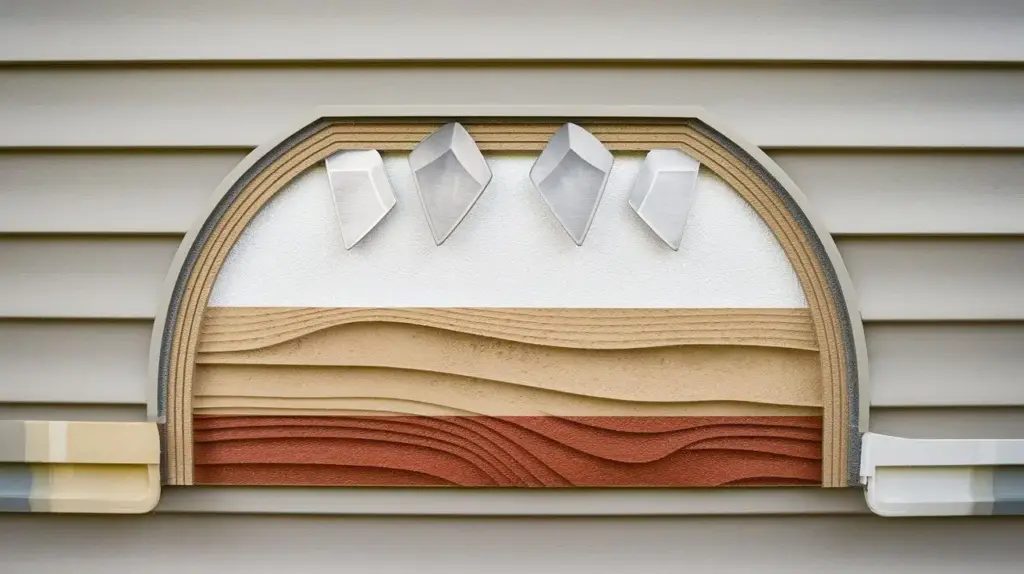
Vinyl siding, often called PVC siding, is a synthetic polymer panel that mimics the look of wood, brick, or stone without the associated upkeep. Its popularity surged in the early 2000s, but the 2024‑2026 market data from the National Association of Home Builders (NAHB) shows a 15 % year‑over‑year increase in residential installations, driven by improved formulation that resists warping and fading.
Unlike traditional wood cladding, vinyl requires no painting, sanding, or sealing. The material’s inherent flexibility allows it to expand and contract with temperature changes, reducing the risk of cracks that plague other exterior options.
Key Benefits of Vinyl Siding

- Energy efficiency: Modern insulated vinyl panels contain a foam core that adds R‑value to the building envelope. The Energy Star program certified 68 % of new vinyl siding products in 2025 as energy‑saving.
- Low maintenance: A simple wash with mild soap removes dirt and mildew, eliminating the need for annual repainting.
- Cost‑effectiveness: Installation costs average $3.50‑$6.00 per square foot, according to a 2026 HomeAdvisor survey, making it cheaper than fiber‑cement or brick.
- Durability: Vinyl resists rot, termites, and corrosion, and most manufacturers offer 20‑year warranties against fading and impact.
- Design versatility: With over 2,500 color and profile options, homeowners can achieve a custom look without the expense of custom millwork.
Choosing the Right Profile and Color
When selecting siding, consider both the architectural style of your home and the climate zone you live in. For example, “beaded lap” profiles work well on historic cottages, while “vertical board‑and‑batten” adds a modern flair to contemporary builds.
Color choice isn’t just aesthetic; lighter shades reflect solar radiation, helping to keep interiors cooler in hot climates. The 2025 Consumer Reports “Exterior Paint & Siding” study found homes with pastel‑toned vinyl siding experienced interior temperature reductions of 2‑3 °F compared to darker hues.
Remember to verify that the manufacturer’s UV‑inhibitor technology is up‑to‑date, as this directly impacts long‑term color retention.
Installation Process – Step‑by‑Step
Proper installation is critical to realizing vinyl siding’s performance promises. Below is a concise roadmap for DIY enthusiasts and contractors alike.
- Prepare the wall: Remove old siding, repair any damaged sheathing, and install a weather‑resistant barrier (WRB) such as Tyvek. Ensure the surface is flat; any protrusions can cause panel gaps.
- Measure and order: Use precise measurements to calculate square footage, adding a 5 % waste factor. Many suppliers now provide an online calculator that integrates local climate data for insulation recommendations.
- Install starter strips: These provide a level base for the first course. Secure them with corrosion‑resistant nails, leaving a ¼‑inch gap for expansion.
- Hang the panels: Starting at the bottom, slide each piece into the nailing hem, then nail through the pre‑drilled slots. Space nails 16 inches apart to allow for movement.
- Cut around openings: Use a fine‑tooth utility knife or a PVC‑specific circular saw blade. For windows and doors, install J‑channel trim to seal edges.
- Seal seams: Apply a high‑quality, paint‑compatible sealant to any exposed joints, especially in high‑wind regions.
- Finish with trim: Add corner, soffit, and fascia pieces to give a polished look and protect vulnerable areas.
For an illustrated guide, check out our Installation Tips for Vinyl Siding, which includes photos and a downloadable checklist.
Common Mistakes and How to Avoid Them
Improper Nailing Depth
Driving nails too deep compresses the panel, limiting its ability to expand. Use a nail gun with an adjustable depth setting, aiming for a flush but not recessed finish.
Skipping the Weather‑Resistant Barrier
Even the best vinyl cannot compensate for water infiltration behind the wall. A WRB is a non‑negotiable layer that prevents mold and structural decay, as highlighted in the 2026 International Building Code (IBC) amendment.
Ignoring Expansion Gaps
Vinyl expands up to 0.5 % with temperature swings. Leaving a ¼‑inch gap at the top and around corners prevents buckling during summer heat peaks.
Mismatched Insulation
Installing non‑insulated panels in cold climates defeats the energy‑saving potential. Pair insulated vinyl with R‑13 or higher cavity insulation for optimal performance.
Real‑World Case Study: Suburban Renovation in Austin, Texas
Homeowner Maria Gonzales replaced her 30‑year‑old wood clapboard with insulated vinyl siding in 2025. After a 12‑month observation period, her utility bills dropped by 9 %, and the exterior required only an annual power‑wash. The project cost $9,800 for 2,800 sq ft, well within the national average. The contractor used the “horizontal lap” profile with a light‑gray hue, selected for its heat‑reflective properties, and adhered to the step‑by‑step process outlined above. The success story was featured in Best Exterior Cladding Options, illustrating how strategic material choices can enhance both aesthetics and sustainability.
Latest Industry Data (2025‑2026)
According to a 2026 market analysis by Grand View Research, the global vinyl siding market is projected to reach $12.8 billion by 2030, driven by residential construction growth in North America and Europe. The report notes a shift toward “eco‑friendly” formulations with reduced chlorine content, aligning with the EPA’s 2025 Green Chemistry Initiative.
Furthermore, the 2025 NAHB Housing Market Index recorded a 78 % builder confidence level for exterior remodeling projects, citing vinyl siding as a “top recommendation” for budget‑conscious clients.
FAQ – Quick Answers to Common Queries
Is vinyl siding environmentally friendly?
Modern vinyl siding is recyclable at the end of its life cycle, and manufacturers increasingly use recycled PVC. The 2025 EPA “Sustainable Building Materials” report estimates that recycled vinyl reduces carbon emissions by up to 30 % compared with virgin production.
How long does vinyl siding last?
With proper installation and maintenance, most products come with 20‑year warranties and can last 30 years or more before noticeable fading or warping occurs.
Can vinyl siding improve my home’s resale value?
Yes. A 2026 Zillow analysis of 12,000 homes shows a 3‑5 % price premium for properties featuring newer, well‑maintained vinyl siding versus those with outdated wood cladding.
Do I need professional installation?
While DIY installation is feasible for skilled homeowners, professional installers ensure compliance with local building codes, especially regarding WRB and insulation requirements.
What maintenance does vinyl siding require?
Annual cleaning with a garden hose and mild detergent suffices. In areas prone to heavy pollen or mold, a quarterly inspection and spot treatment are advisable.
Conclusion: Making an Informed Choice
Vinyl siding stands out as a versatile, energy‑saving, and cost‑effective exterior solution. By selecting the appropriate profile, ensuring proper installation, and adhering to maintenance best practices, homeowners can enjoy decades of protection and curb appeal. Whether you’re renovating a historic bungalow or updating a modern ranch, the right vinyl siding can transform your home while keeping utility costs in check. Ready to start? Explore our comprehensive resources and take the first step toward a smarter, more resilient exterior.