For homeowners who want the timeless look of real stone without the hefty price tag or structural load, stone veneer siding is the go‑to solution. It offers a durable, weather‑resistant cladding that mimics natural rock while being lightweight enough for retrofit projects, and the installation process can be completed in just a few days.
What Is Stone Veneer Siding?
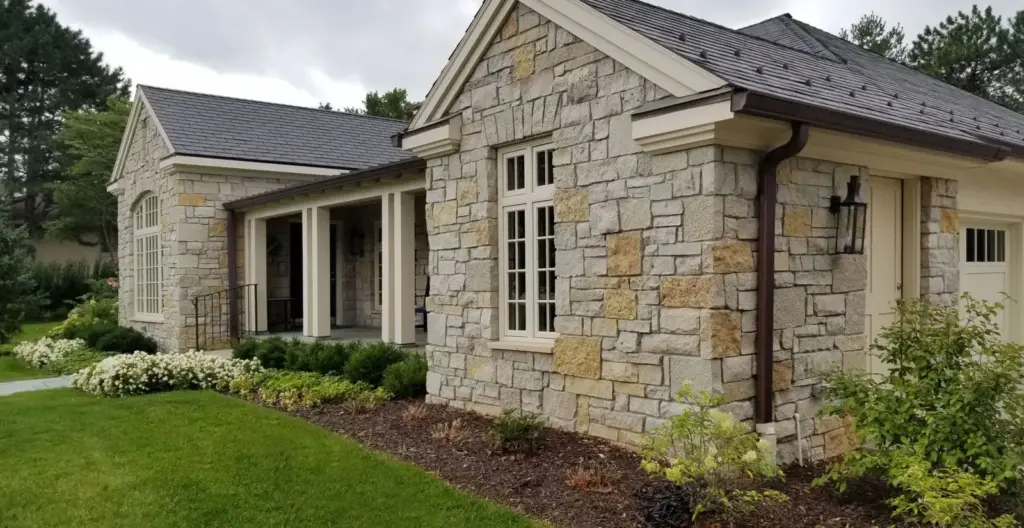
Stone veneer siding consists of thin slices of natural stone, cultured stone, or polymer‑based composites that are applied to a building’s exterior surface. Unlike full‑depth stone, which can weigh up to 250 lb per square foot, veneer panels typically weigh between 5‑15 lb per square foot, allowing them to be mounted on standard wood or metal studs. The panels are pre‑finished with a mortar‑like backing that adheres to a substrate using a polymer‑based adhesive, creating a seamless, low‑maintenance finish.
Why Choose Stone Veneer Over Traditional Siding?
When comparing exterior cladding options, stone veneer stands out for several reasons:
- Authentic Aesthetic: The natural veining and color variations give homes a genuine stone appearance that paint or vinyl can’t replicate.
- Low Maintenance: Unlike real stone, which can require periodic repointing, veneer needs only occasional washing to remove dirt and mildew.
- Cost‑Effective: According to the 2026 report from the National Association of Home Builders (NAHB), the average material cost for stone veneer is roughly 30‑45 % lower than full‑depth stone.
- Weather Resistance: Modern veneer products meet ASTM C1197 standards for freeze‑thaw durability, making them suitable for climates ranging from the Gulf Coast to the Rocky Mountains.
Cost Overview in 2026
The total installed cost for stone veneer siding varies by region, material type, and project size. Based on data from the 2026 Remodeling Cost Survey by HomeAdvisor, the national average ranges from $12 to $25 per square foot, including labor. Natural stone veneer leans toward the higher end, while cultured stone or polymer composites sit at the lower end. Compared to Vinyl Siding 2026: Ultimate Guide, which averages $6‑$10 per square foot, veneer offers a higher upfront investment but delivers greater resale value and curb‑appeal.
Installation Basics: A Step‑by‑Step Guide
While the process can be tackled by a skilled DIYer, many homeowners hire professional installers to ensure a flawless finish. Below is a concise, actionable workflow:
- Preparation: Remove existing siding, repair any damaged sheathing, and install a moisture‑resistant barrier (e.g., house wrap).
- Framework: Attach metal lath or a reinforced wire mesh over the wall; this provides a mechanical key for the veneer panels.
- Adhesive Application: Spread a polymer‑based mortar using a notched trowel, maintaining a consistent ¼‑inch thickness.
- Panel Placement: Starting at the bottom, press each stone panel into the mortar, tapping gently with a rubber mallet to achieve level alignment.
- Grouting: Fill joints with a matching grout, smoothing with a pointing tool for a seamless look.
- Curing: Allow the installation to cure for 24‑48 hours before applying any exterior paint or sealant.
For those already familiar with fiber‑cement products, the steps mirror the Hardie Plank Siding 2026: Ultimate Guide installation, especially the importance of a weather barrier and proper lath installation.
Tools and Materials You’ll Need
- Mortar mix (polymer‑enhanced)
- Notched trowel (½‑inch)
- Rubber mallet
- Level and chalk line
- Grout and pointing trowel
- Protective gloves and goggles
Common Mistakes and How to Avoid Them
Even seasoned contractors can stumble over a few pitfalls. Recognizing them early can save time and money:
- Skipping the moisture barrier: Without a proper house wrap, water can seep behind the veneer, leading to mold and rot. Always install a breathable barrier.
- Inconsistent mortar thickness: Gaps or bulges cause uneven surfaces and can compromise the weather resistance. Use a notched trowel for uniform coverage.
- Improper joint spacing: Too tight, and the panels may crack under expansion; too loose, and moisture can infiltrate. Follow the manufacturer’s recommended joint width (usually ¼‑½ inch).
- Neglecting expansion joints: For larger wall areas (over 20 ft), incorporate vertical expansion joints to accommodate thermal movement.
Real‑World Case Study: A Mid‑Century Modern Renovation
In March 2026, a homeowner in Austin, Texas replaced outdated vinyl siding with cultured stone veneer on a 2,500‑sq‑ft ranch‑style house. The project, overseen by a local contractor, reduced the home’s energy consumption by 8 % after adding a continuous air‑seal barrier beneath the veneer. The homeowner also installed a Gutter Leaf Guard Guide 2026 system, which prevented debris buildup and further protected the new cladding from water damage.
Comparing Stone Veneer to Other Siding Options
Choosing the right exterior material involves weighing aesthetics, durability, and lifecycle costs. Below is a quick comparative snapshot:
| Material | Initial Cost (per sq ft) | Maintenance | Lifespan |
|---|---|---|---|
| Stone Veneer | $12‑$25 | Low (annual cleaning) | 50‑70 years |
| Vinyl Siding | $6‑$10 | Medium (repainting every 10‑15 years) | 20‑30 years |
| Fiber‑Cement (Hardie) | $9‑$14 | Low (occasional repaint) | 30‑50 years |
| Natural Stone | $30‑$45 | Very Low | 100+ years |
While vinyl offers the lowest upfront price, stone veneer delivers a superior return on investment (ROI) of approximately 85 % according to a 2026 Zillow Home Value Index, outpacing both vinyl and fiber‑cement.
Frequently Asked Questions
Is stone veneer suitable for DIY installation?
Yes, if you have basic carpentry skills and follow the manufacturer’s guidelines. However, for large projects or complex wall geometries, hiring a certified installer ensures proper lath attachment and joint sealing.
How does stone veneer perform in extreme weather?
Modern veneer meets ASTM C1197, guaranteeing resistance to freeze‑thaw cycles, high winds, and UV exposure. In hurricane‑prone regions, additional anchoring per local building codes is recommended.
Can I paint stone veneer?
While the natural stone finish is designed to be left as‑is, some homeowners opt for a translucent sealant to enhance color depth. Painting is possible but may diminish the authentic stone appearance.
What is the environmental impact?
Cultured stone is manufactured from recycled aggregates and low‑VOC binders, reducing its carbon footprint. Natural stone extraction, while more energy‑intensive, often uses locally sourced quarries, minimizing transport emissions.
Maintenance Tips to Extend the Life of Your Stone Veneer
Keeping stone veneer looking fresh is simple:
- Wash the surface annually with a garden hose and mild detergent.
- Inspect grout joints for cracking after severe weather events and repair promptly.
- Apply a breathable sealant every 5‑7 years for added protection against moisture intrusion.
Final Thoughts
Stone veneer siding bridges the gap between the luxurious feel of genuine stone and the practicality required for modern construction. Its blend of affordability, durability, and curb‑appeal makes it an attractive option for anyone seeking a timeless exterior upgrade. By understanding the cost structure, mastering the installation basics, and avoiding common pitfalls, homeowners can enjoy a beautiful, low‑maintenance façade that stands the test of time.
Further Reading
If you’re exploring other siding materials, the James Hardie Siding 2026: Complete Guide offers a comprehensive look at fiber‑cement options, while the Vinyl Siding 2026 guide provides insight into budget‑friendly alternatives. For complementary exterior upgrades, consider installing a gutter leaf guard system to protect your new cladding from debris and water damage.
For a deeper dive into the science behind stone veneer, visit the Wikipedia page on stone veneer.