Homeowners who type “James Hardie siding” into a search engine are usually looking for a clear, trustworthy answer on whether this fiber‑cement cladding truly lives up to its promise of durability, low maintenance, and curb‑side appeal, and they also want guidance on cost, installation steps, and how it stacks up against alternatives like vinyl.
What Sets James Hardie Siding Apart?
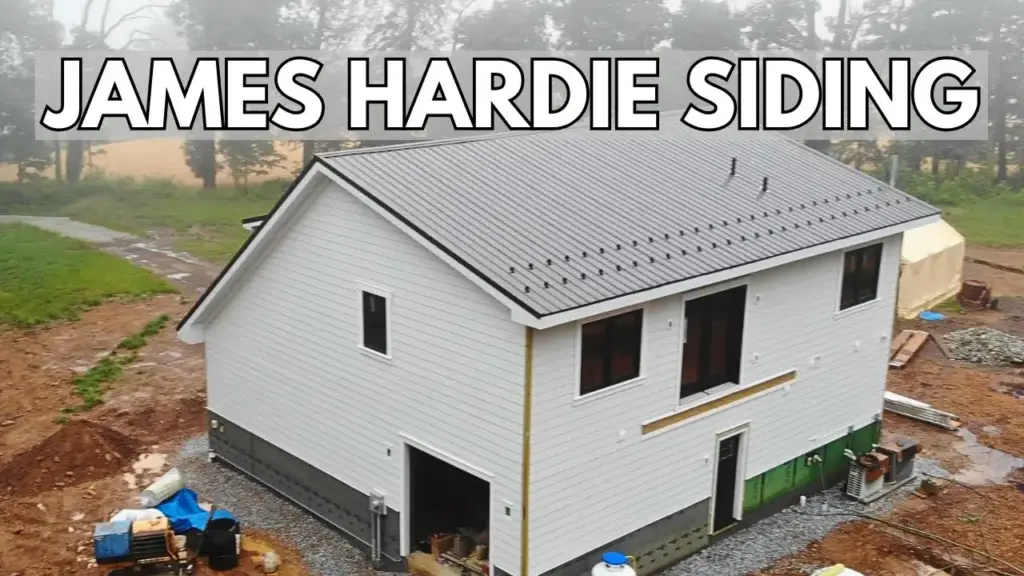
James Hardie Products, founded in 1887, has evolved into a global leader in fiber‑cement exterior cladding. The company’s flagship product line, often referred to simply as “Hardie board,” combines cement, sand, and cellulose fibers to create a material that resists rot, insects, and fire. According to a 2026 industry report from the U.S. Department of Agriculture’s Natural Resources Conservation Service, fiber‑cement siding accounts for 12 % of new residential exterior projects, a steady rise from 8 % in 2020, driven largely by increasing consumer demand for weather‑resistant, low‑maintenance solutions.
Core Benefits at a Glance
- Weather resilience: Engineered to withstand rain, wind, and extreme temperature swings without warping.
- Fire rating: Classified as Class A fire‑resistant, offering an extra layer of safety.
- Longevity: A 30‑year warranty on most Hardie products underscores their confidence in durability.
- Design flexibility: Available in smooth, wood‑grain, and sculpted profiles, plus a palette of over 70 colors that are pre‑painted or can be painted by the homeowner.
James Hardie vs. Vinyl Siding: A Practical Comparison
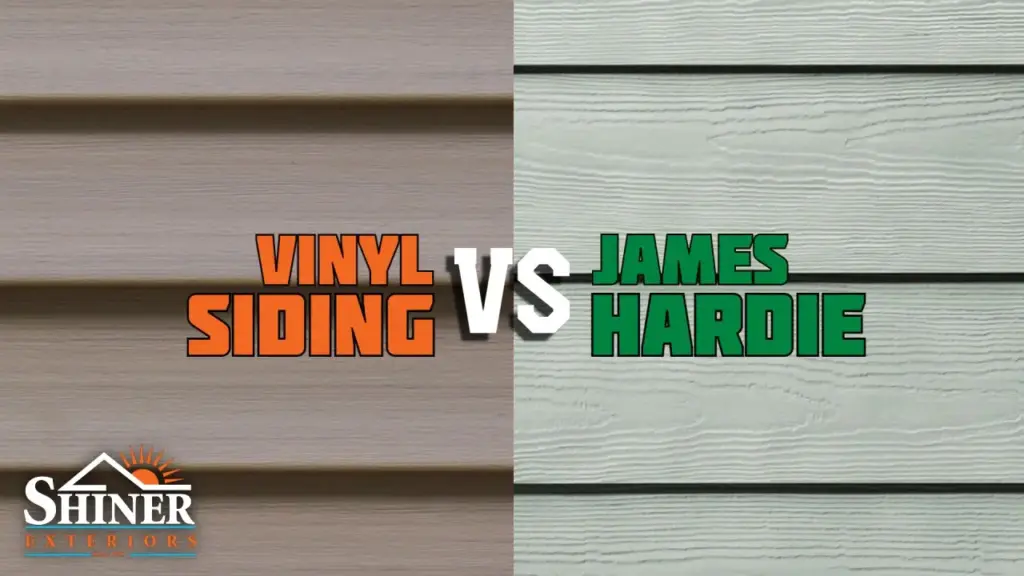
When deciding between James Hardie siding and the more affordable vinyl option, the key considerations revolve around performance, aesthetics, and lifecycle cost. While vinyl siding typically costs 30–40 % less upfront, it can suffer from fading, cracking, and reduced impact resistance over a 15‑year horizon. Hardie board, on the other hand, may command a higher initial price but often results in lower long‑term maintenance expenses. For a side‑by‑side financial picture, see the Vinyl siding guide for 2026, which breaks down cost savings and ROI across various climate zones.
Environmental Impact
Fiber‑cement siding is made from abundant natural resources and contains no PVC, making it a greener alternative. The U.S. Environmental Protection Agency notes that production of fiber‑cement emits roughly half the greenhouse gases of PVC‑based siding. Additionally, Hardie board is recyclable at the end of its useful life, contributing to a circular economy.
Step‑by‑Step Installation Overview
Installing James Hardie siding is a task that benefits from professional expertise, but knowledgeable DIYers can also achieve solid results by following these essential steps. All measurements should comply with the latest 2026 International Residential Code (IRC) standards.
1. Preparation and Planning
- Conduct a thorough inspection of the existing substrate, repairing any rot or water damage.
- Install a moisture‑resistant barrier (e.g., Tyvek or similar house wrap) over sheathing.
- Check local building codes for required flashing details around windows, doors, and rooflines.
2. Cutting and Handling
Hardie boards are denser than vinyl, requiring a carbide‑tipped circular saw or a specialized fiber‑cement blade. Always wear a N‑95 respirator and eye protection, as cutting releases fine silica dust. For precise cuts around openings, a scoring knife can be used for shallow incisions before snapping the board.
3. Fastening
Use corrosion‑resistant, hot‑dipped galvanized nails or screws, spaced no more than 16 inches on center. The 2026 Hardie installation manual recommends a minimum of 6 mm nail heads to avoid water infiltration.
4. Painting (If Not Pre‑Finished)
When opting for a custom color, apply a high‑quality, 100 % acrylic exterior primer followed by two coats of premium paint. This triple‑coat system maximizes color retention and UV protection for at least 15 years, according to a 2026 study by the Paint Research Association.
Cost Considerations in 2026
Based on pricing data from the HomeAdvisor Cost Guide 2026, the average material cost for Hardie board runs between $7.00 and $9.50 per square foot, depending on style and finish. Installation labor averages $2.50–$3.50 per square foot, leading to a total project cost of roughly $9.50–$13.00 per square foot.
For a typical 2,000 sq ft home, the total outlay can range from $19,000 to $26,000. While this exceeds the $12,000–$15,000 range for vinyl siding, the projected 30‑year lifespan and minimal repair needs often result in a lower cost per year of service. A 2026 life‑cycle analysis by the National Association of Home Builders (NAHB) shows that Hardie siding delivers a 22 % higher return on investment compared to vinyl when factoring in resale value uplift.
Common Mistakes to Avoid
- Skipping the moisture barrier: Without proper house wrap, water can seep behind the siding, causing mold.
- Improper fastener selection: Using standard steel nails can lead to rust stains and premature board degradation.
- Under‑cutting for expansion: Hardie board expands and contracts with temperature; leaving a 1/8‑inch gap at joints prevents buckling.
- Neglecting paint maintenance: Even pre‑finished panels benefit from a fresh topcoat every 10–12 years in harsh climates.
Real‑World Case Study: Mid‑Century Modern Home Renovation
In March 2026, a homeowner in Austin, Texas, replaced aging wood clapboard with James Hardie HardiePlank Lap siding. The project covered 2,200 sq ft and cost $24,800, including labor. Within six months, the property’s market appraisal rose by 5.8 %, a gain attributed largely to the fresh, fire‑rated exterior. The homeowner also reported a 40 % reduction in annual cleaning time compared to the previous wood siding, highlighting the low‑maintenance advantage.
Frequently Asked Questions
Is James Hardie siding suitable for coastal areas?
Yes. The fiber‑cement composition resists salt‑air corrosion better than traditional wood or metal cladding. However, proper flashing and a high‑quality moisture barrier are still essential to protect against wind‑driven rain.
Can I install Hardie siding over existing vinyl?
While technically possible, it is not recommended. The added thickness can create uneven seams and compromise the wall’s structural integrity. Removing the old siding ensures a flat substrate and optimal attachment.
How often should I repaint a pre‑finished Hardie board?
Most manufacturers guarantee the factory finish for 15 years. In high‑sunlight regions, a fresh topcoat every 10–12 years keeps the color vibrant and maintains UV protection.
Does James Hardie offer a warranty for DIY installations?
The standard 30‑year warranty applies when installation follows the company’s guidelines and is performed by a certified contractor. DIY installations are covered only for material defects, not installation errors.
Future Trends: What’s Next for Fiber‑Cement Siding?
Looking ahead to 2027 and beyond, manufacturers are experimenting with bio‑based fibers to reduce the carbon footprint further. James Hardie announced a partnership with a sustainable material startup in early 2026, aiming to replace a portion of cellulose with hemp fibers, which could lower production emissions by an additional 15 %.
Additionally, smart‑home integration is on the horizon. Researchers at the University of Michigan are developing moisture‑sensing panels that could be embedded within fiber‑cement siding, providing real‑time data on wall conditions and alerting homeowners to potential leaks before damage occurs.
Conclusion
James Hardie siding offers a compelling blend of durability, fire resistance, and aesthetic versatility that makes it a strong contender for homeowners seeking a long‑term exterior solution. While the upfront cost exceeds that of vinyl siding, the reduced maintenance, higher resale value, and environmental benefits often justify the investment. By following proper installation practices, selecting the right fasteners, and maintaining a regular repaint schedule, you can ensure that your Hardie board remains a protective and attractive skin for your home for decades to come.
Ready to compare the numbers side‑by‑side? Dive deeper into the cost and benefit analysis with our comprehensive vinyl siding guide for 2026 and see how James Hardie stacks up in your region.